
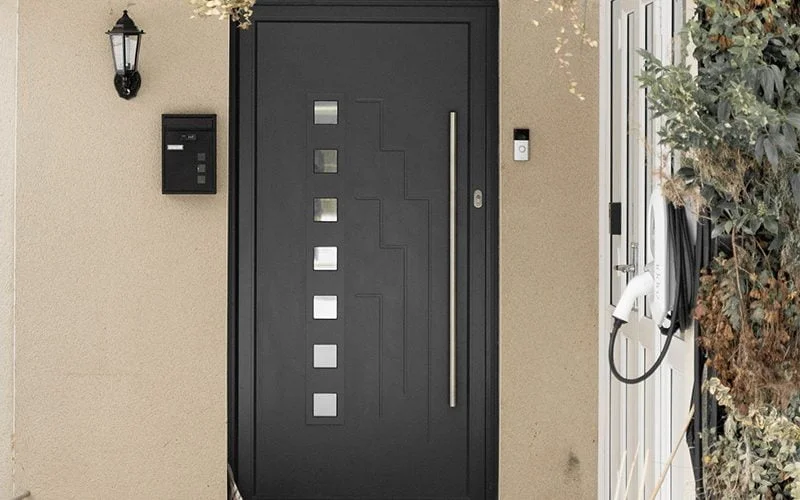
Are you a proud owner of an electric vehicle (EV)? Then you probably already know about the many benefits of charging your EV at home, including convenience and lower fuel costs down the line. But did you know that there are certain safety tips and guidelines you should follow to ensure your EV charger stays safe? Today’s blog post will provide some smart tips on how to charge your EV safely and keep both yourself and your environment healthy. So if keeping yourself safe while staying green is important to you, then read on!
How to Keep Your Home EV Charger from Theft?
EV owners are increasingly worried that their EV chargers may fall prey to thieves. While EV charger theft may not be a widespread issue yet, precautions should still be taken to ensure your EV charger remains safe and sound in your home. Following these tips, you can help ensure that your home EV charger is safe and secure from theft.
Install security cameras: Installing security cameras around your property can deter thieves and help identify them if they do attempt to steal your EV charger.
Choose a visible location: Install your charger in a visible location, such as near a window, to make it less attractive to thieves. This also makes it easier for you to monitor the charger and any suspicious activity.
Lock it up: Consider installing a lock or cage around your home EV charger. This will make it more difficult for thieves to steal the charger or its components.
Use a smart charger: Some home EV chargers come with built-in security features, such as the ability to lock and unlock the charger using a mobile app. This can help you keep your charger safe while still providing easy access for charging your vehicle.
Register your charger: Some manufacturers allow you to register your charger’s serial number with them. This can help deter theft and make it easier to recover your charger if it is stolen.
Consider insurance: Check with your homeowner’s insurance provider to see if your home EV charger is covered under your policy. If not, consider adding it to your policy or purchasing a separate insurance policy for your charger.

Tips for Using Your Home EV Charger Safely
Installing a home EV charger is an excellent way to make sure your electric vehicle won’t leave you stranded, but it’s important to stay safe while using it. There are a few key steps you can take to ensure it runs safely.
Hire a licensed electrician: It’s important to have a licensed electrician install your home charger to ensure that the installation meets all safety standards and local codes.
Choose a safe location: Install your charger in a well-ventilated area that is protected from the elements, such as rain, snow, or extreme temperatures. The location should also be out of reach of children and pets.
Use a dedicated circuit: Your home charger should be connected to a dedicated circuit to ensure that it receives a steady supply of electricity. This will prevent overheating and reduce the risk of electrical fires.
Check for damage: Regularly inspect your home charger for signs of wear and tear, such as frayed wires, cracks, or other damage. If you notice any damage, immediately stop using the charger and contact a licensed electrician.
Follow manufacturer instructions: Read and follow the manufacturer’s instructions for your home charger. This includes proper installation, usage, and maintenance guidelines.
Turn off the power: When not in use, turn off the power to your home charger to prevent any potential electrical hazards.
Keep it clean: Clean your home charger regularly to prevent dirt and dust buildup, which can interfere with its operation.
How Often Should You Charge Your Electric Car?
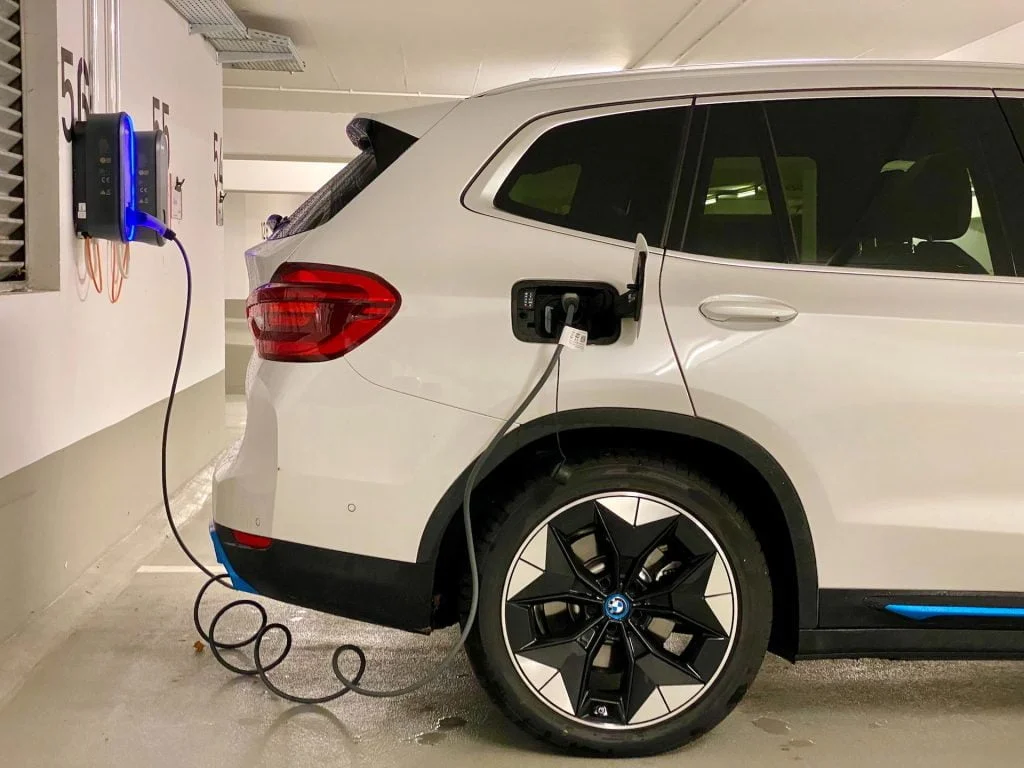
The frequency at which you should charge an electric car at home depends on several factors, such as the battery capacity of the car, your driving habits, and the type of charging equipment you have.
As a general rule, it’s recommended to charge your electric car every night or whenever it’s convenient to ensure that the battery is sufficiently charged for your daily driving needs. This way, you can avoid running out of charge during the day and have the flexibility to drive as much as you need.
However, if you have a longer commute or use your electric car for extended periods, you may need to charge it more frequently. In this case, you could consider installing a faster charging station at home to reduce the charging time and increase convenience.
Ultimately, the best charging strategy for your electric car depends on your individual needs and circumstances. It’s always a good idea to consult your car’s owner’s manual and follow the manufacturer’s recommendations for charging and maintaining the battery.
What to Do If You Notice Something Wrong with Your EV Charger?
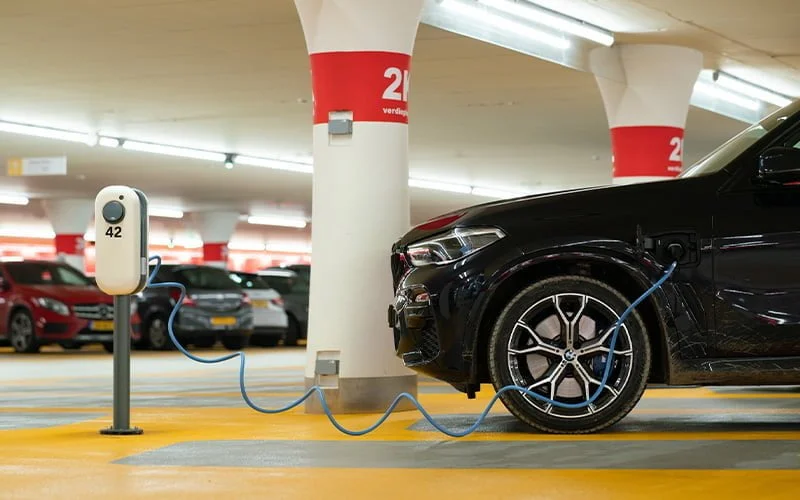
If you notice something wrong with your EV charger, the first thing to do is recognize the problem. Whether it’s not charging your car, making strange noises, or prompting an error message, there are a few steps you can take to help yourself and possibly even fix the issue.
First, check the manual that came along with it to troubleshoot any common issues. Next, make sure you give the power source a once-over and plug in another device to test its functionality. Then inspect your charging cable for signs of visible wear or tear – if it looks like time for an upgrade there’s no better time than now!
Finally, take a peek at the display. Some EV chargers show their status through them so you’ll want to double-check everything is shipshape here too before contacting manufacturer support.
Can You Keep an Electric Car on While Charging?
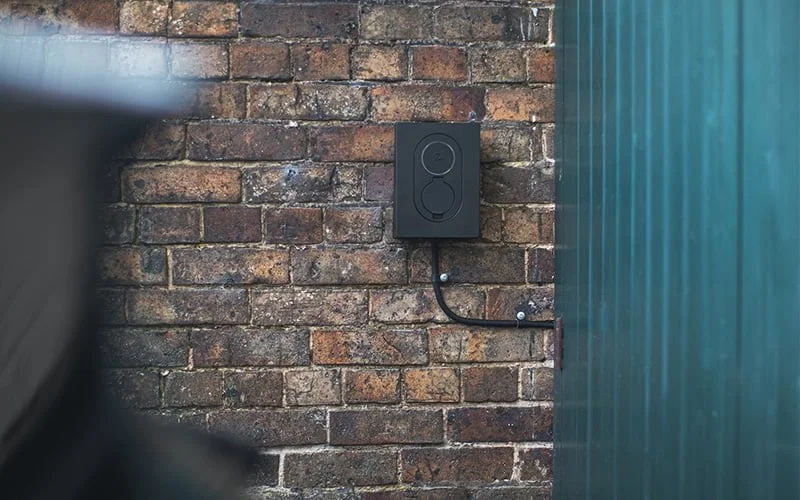
It depends on the specific electric car model and its charging setup. In general, most electric cars are designed to prevent the car from being turned on while it’s actively charging. This is a safety feature to avoid any potential hazards that could result from operating the car while connected to a power source.
However, some electric car models may have a feature that allows the car to be turned on while it’s charging, but with some restrictions. For example, the car may only be able to operate in a limited mode while it’s charging, such as allowing the air conditioning or heater to run, or only being able to move in a low-speed mode.
It’s always recommended to refer to the specific electric car model’s manual or contact the manufacturer for information on the correct operation while charging. It’s essential to follow the safety instructions and guidelines provided to avoid any accidents or damages to the car or the charging equipment.
Conclusion
In summary, safety should always be your first priority when using an EV charger. By following these simple steps you can rest assured that your EV charger is being used safely and correctly. And don’t forget – if you ever come across anything concerning it or feel unsafe while using it, take the necessary steps to shut down power immediately and consult with a licensed electrician in your area. All these precautions are working towards one goal – making sure that you are able to enjoy your EV charger for many years ahead!