
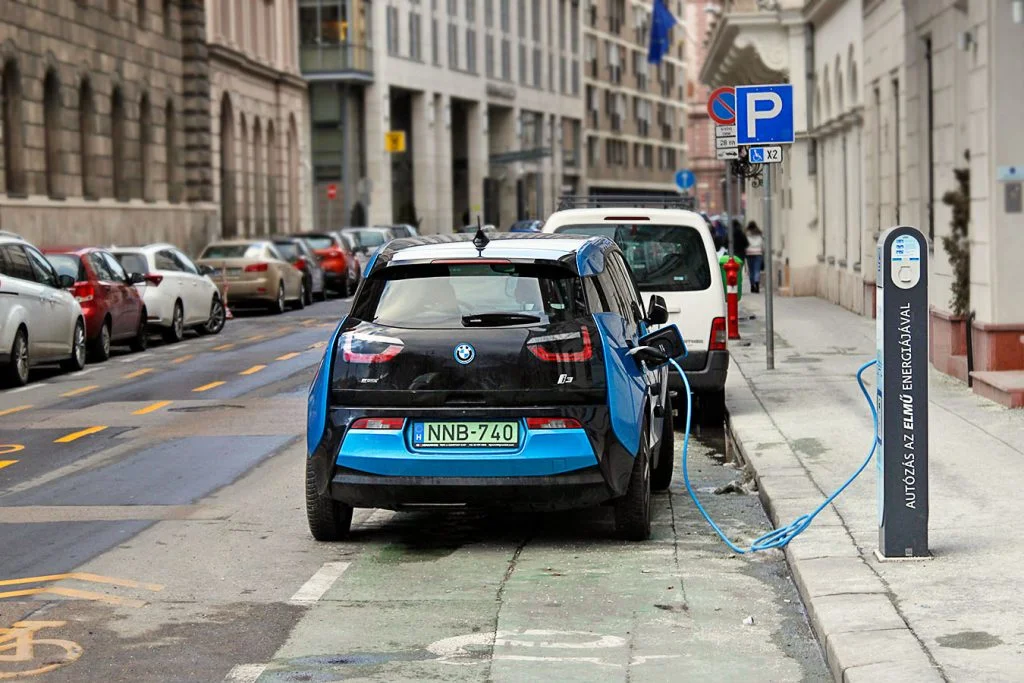
As an EV owner, you probably know that one of the most important factors in choosing a home EV charger is the cable length. But what is the ideal cable length for your needs? In this blog post, we’ll explore the different factors to consider when choosing the right cable length for your home EV charger. We’ll also provide some helpful tips on how to make sure your charger works optimally.
What is the cable of a home EV charger?
An electric vehicle charger cable is like the lifeblood of your car- it’s what keeps them running. These cables are made up of three components: a connection from the power source, an electrical wire and a connector that plugs into your electric vehicle. The length matters when selecting which home EV charger will work best for you.

What’s the most extended length of the home EV charger cable?
EV owners regularly choose from a wide variety of lengths when selecting the perfect EV charger cable for their homes. Typically, the longest EV charger cable available is around 25 feet in length in the USA. The size of this cable enables EV owners to install their EV charger a reasonable distance away from their EV’s parking spot, allowing EV owners to position their EV chargers for convenience and safety considerations.
International EV enthusiasts are in luck – electric car charging cables outside the United States can reach up to an impressive 20 metres. Now you can take your battery-powered adventure further than ever!
What is the ideal length of home EV charger cable for most people?
EV owners need to understand that the ideal length for an EV charger cable depends on their personal needs. If EV owners plan to charge exclusively at home, then getting a long enough EV charger cable is essential in order to be able to reach their EV once it’s parked in their driveway.
On the other hand, EV owners who frequently travel could benefit from an EV charging cable that is shorter and easier to pack. It’s also important to consider the distance between the outlet and the spot you park. Generally speaking, the length ranges from 4m to 10m is highly recommended.

Does the long cable of the EV charger affect the charging speed?
EV charger cables come in a range of lengths, offering drivers the flexibility to charge their vehicles at their desired location. But is there an effect on charging speed when using a long cable? In general, longer cords will result in some amount of power loss due to the extra distance travelled by electricity over the course of the cable. This means that shorter cords with less resistance theoretically offer faster charging times.
It’s natural to assume that a longer charging cable would make the process slower, but surprisingly enough this isn’t always true! When it comes down to high-quality cables with more gauge; those tend to provide less resistance and therefore lead to reduced charge times. So if you want your EV charged up faster than usual – invest in good-quality cable for optimal results.

What are the benefits and drawbacks of long EV charging cables?
The development and use of long electric vehicle charging cables have both advantages and drawbacks. On the plus side, they enable EV owners to charge their vehicles even if a specific station isn’t within easy reach. They also give users greater freedom in where they can park near an outlet, as the cables are long enough to easily move around corners or into different yards.
Moreover, since they can connect to many types of outlets, they provide added convenience when it comes to where the vehicle can be charged. However, it’s important to note that the longer length of these cables may potentially put an extra burden on the connectors and increase the risk of hot plugging and fire damage when compared with shorter charging cables.
Additionally, wall-mounted EV chargers usually require custom-made long charging cables as opposed to standard short ones. These potentially higher prices could be another disadvantage for users considering longer cable lengths. In conclusion, although there are some issues with extended-length EV charging cables, their flexibility is often beneficial to many EV owners seeking additional mobility and convenience.

What is the difference between tethered and untethered EV charger cables?
EV chargers come in many modes, each offering users a different experience when it comes to refuelling their vehicles. Two of the most popular types of EV charger cables are tethered and untethered cables. A tethered cable is connected directly to the charger and stored on the wall, while an untethered cable is designed for frequent use as it can be detached from the unit when not in use. This makes it easier for users who need to charge their vehicles at multiple locations, such as workplace parking lots or public charging stations.
Meanwhile, untethered cables are more flexible allowing users to move around freely with their cars with no risk of disconnection from the charger. Ultimately, both types of EV charger cables provide access to electricity sources so that you won’t need to worry about running out of battery on your way home.
Can you extend an EV charging cable?
Are you looking for a way to get that extra reach with your EV cable without breaking the bank? You’re in luck! Extension cords can be used to extend existing charging cables and are available in various lengths. So, don’t worry about needing to buy an entirely new one – just grab yourself an extension cord pack and gain the length you require while staying within budget!

How long do I need to charge?
When it comes to charging the EV, knowing how long it takes can be a bit of a mystery. Fortunately, the answer is not as intensive as one might think. The time it takes to charge an EV depends heavily on its battery size and the power capacity of your charger. The higher the charging power, the faster the charging speed and the shorter the charging time required. Ideally, the battery capacity divided by the charging power can be used to calculate the approximate charging time.
For example, an electric vehicle with a usable battery 50kWh will take over 7 hours to fully charge using a 7KW home charger. Smaller vehicles can naturally take less time and larger vehicles may require longer charging periods. When in doubt, consult your Charging Manual or ask the manufacturer for specifics regarding your battery size and power capacity requirement.
Conclusion
With an electric car charging cable, more length may mean more convenience – but don’t forget to consider the cost. Longer cables provide greater flexibility and ease of movement while using them. However, they will likely take longer to charge your vehicle than shorter ones would; this should be taken into account before making a purchase decision!