
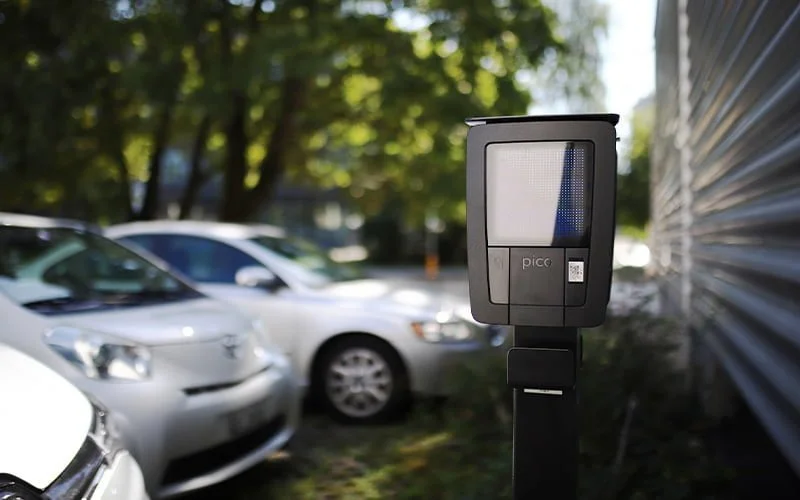
If you’re the owner of an electric vehicle, charging your car on a regular basis is essential to keeping it running. However, there are different types of EV chargers available and choosing the one that works best for your lifestyle can be tricky. In this blog post, we’ll take a close look at home EV chargers vs public EV chargers to help you decide which option is right for you.
What are the benefits and drawbacks of public EV chargers?
The availability of public EV chargers has been on the rise in recent years, and they’re becoming increasingly popular in cities around the world. However, there are some benefits and drawbacks worth considering. Let’s take a closer look.
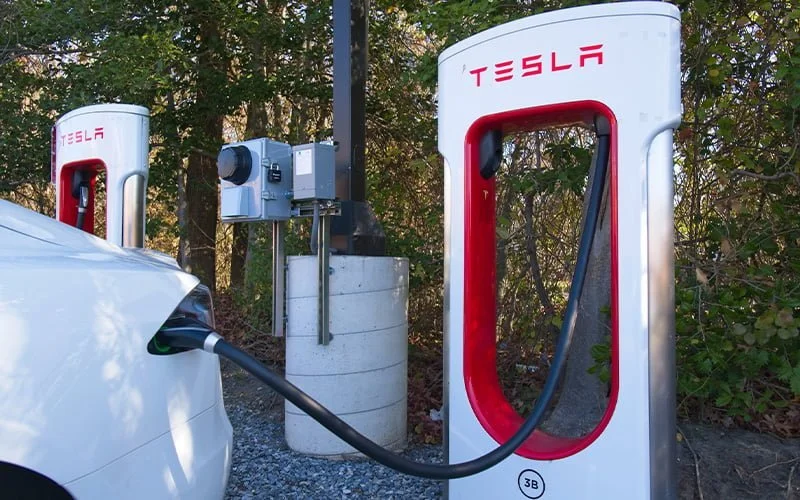
Benefits of Public EV Chargers
Increased convenience: Public EV charging stations offer a convenient and reliable way for EV owners to recharge their vehicles while on the go. This helps to address range anxiety and can encourage more people to adopt EVs.
Cost saving: Some public chargers feature rapid-charging technology that would otherwise be too costly on a personal level. So whether you’re out running errands or in need of juicing up quickly before hitting the highway again, these convenient hubs are here to help get your motor going.
Economic benefits: The deployment of public EV charging infrastructure can help to create jobs and stimulate economic growth. Additionally, EV charging stations can be used to incentivize people to visit shops, restaurants, and other local businesses, thus promoting local commerce.
Drawbacks of Public EV Chargers
High cost: The installation and maintenance of public EV charging stations can be expensive, which can limit the number of stations that are deployed. This can be a potential barrier to the widespread adoption of EVs.
Limited availability: In some areas, public EV charging stations may be few and far between, making it difficult for EV owners to find a convenient place to recharge their vehicles. This can lead to long wait times and frustration for drivers.
Demand variability: The demand for EV charging stations can be highly variable, making it difficult to predict how many stations are needed and where they should be located. This can lead to over or under-investment in charging infrastructure.
Maintenance challenges: Like any infrastructure, public EV charging stations require maintenance to ensure they operate effectively. This can be challenging and expensive, particularly in remote or low-traffic areas.
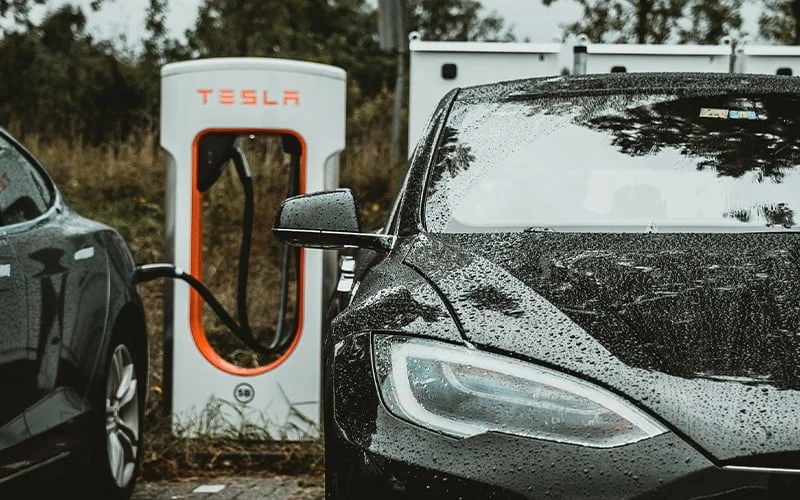
What are the benefits and drawbacks of home EV chargers?
Don’t want to get stuck relying on public charging spots for your EV? Then an at-home charger is a good choice. Setting one up comes with plenty of perks, like the convenience and extra savings. See all its awesome advantages now!
Benefits of Home EV Charging
Convenience: Having a home EV charger means that you can charge your electric vehicle at any time without having to go to a public charging station. This is particularly beneficial if you have a busy schedule and need to charge your vehicle quickly.
Time-saving: A home EV charger can save you a lot of time as you won’t have to wait for your vehicle to charge at a public charging station. This is especially true for long trips where you need to recharge your battery several times.
Cost savings: Charging your EV at home can be cheaper than using public charging stations. You can take advantage of off-peak electricity rates to charge your vehicle, which can save you money in the long run.
Increased home value: Installing a home EV charger can increase the value of your home, as it will be more attractive to potential buyers who own electric vehicles.
While there are a few drawbacks to home EV chargers, like installation challenges. Installing a home EV charger can be challenging, particularly if you don’t have an accessible location for it or if your electrical system needs to be upgraded.

Which One Should I Choose?
The choice between a home EV charger and a public EV charger depends on your personal needs and circumstances.
If you have a garage or a dedicated parking space at your home, and you plan on charging your electric vehicle frequently, then a home EV charger may be a better option for you. This will provide you with the convenience of being able to charge your vehicle whenever you need to, without having to worry about finding an available public charger. Additionally, charging at home is often more cost-effective than using a public charger, especially if you have a time-of-use electricity plan that offers cheaper rates during off-peak hours.
However, if you do not have a dedicated parking space at your home, or if you frequently travel long distances that require charging on the go, then a public EV charger may be a more practical option. Public chargers are also useful for drivers who live in apartments or other multi-unit buildings without access to private charging facilities. Additionally, some public chargers offer faster charging speeds than home chargers, which can be useful for long-distance travel.
Ultimately, it’s up to you to decide which option makes the most sense for your needs. You may even choose to use both home and public chargers, depending on your specific circumstances and travel patterns.
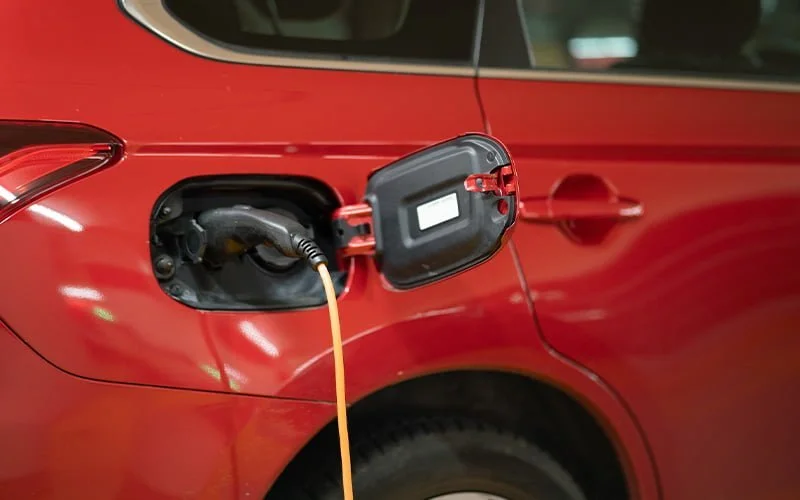
Tips for Using a Public EV Charger
When utilizing a public EV charger, there are a few things to keep in mind. By following these tips, you can have a hassle-free and safe charging experience at a public EV charger.
Plan ahead: Before heading out, plan your route and check for charging stations along the way. Also, make sure to check the availability of the charging stations you plan to use.
Bring your charging cable: While some charging stations come with a cable, it’s a good idea to carry your own cable just in case the station you use doesn’t have one.
Be mindful of the charging time: Public charging stations are often in high demand, so be mindful of the charging time and try to limit your use to the time required to top up your battery.
Follow the instructions: Each charging station has different instructions, so make sure to read and follow them carefully to avoid any issues.
Be considerate: If your car has finished charging but is still occupying the charging spot, move it so that others can use the charger. Also, avoid parking in spots designated for non-electric vehicles.
Be safe: When using a public charger, be aware of your surroundings and keep an eye on your vehicle at all times. It’s also a good idea to avoid charging late at night in isolated areas.
Pay attention to costs: Many public charging stations require payment, so make sure to check the cost and payment options before using them. Some charging networks may also require a membership or a specific mobile app to use their stations.
Conclusion
As we have seen in this post, when it comes to recharging your electric vehicle, you have two options: a home EV charger and a public EV charger. Both will get the job done, but the choice ultimately comes down to your own personal preferences. If you are someone who values convenience and ease of mobility then a public charger may be the best choice for you.
However, if cost savings and reliability are more important, then a home charger would be the better option. Ultimately, it is up to you to decide which one works best for you – whatever that may be.