
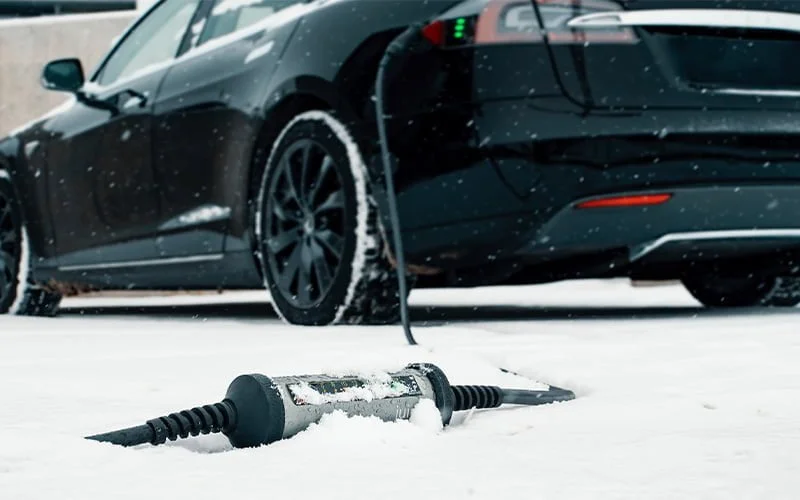
Are you an electric vehicle (EV) owner? If so, winter can be especially challenging. With all the extra wind, snow, and moisture that comes with cooler months, your EV needs a bit of extra love and care if it is going to run smoothly through the colder season. Don’t worry though — taking good care of your EV in winter doesn’t have to be difficult! In this blog post, we will cover six simple tips for keeping your EV running reliably during the coldest part of the year. Read on to learn how you can make sure your beloved EV stays healthy as temperatures drop.
How does the cold weather affect electric vehicles in winter?
Cold weather presents a unique challenge for Electric Vehicle (EV) drivers. In winter months, the reduced capacity of the battery combined with poorer air resistance adds to the range loss. It makes it particularly difficult for EVs to reach their maximum range.
The ideal working temperature for electric vehicles is around 20°C. However, when it drops below 5°C, your battery’s performance will suffer – its resistance increases and available capacity decreases due to the sticky electrolyte and heavy polarization of the negative electrode material. This could lead to a significant reduction in the discharge rate.
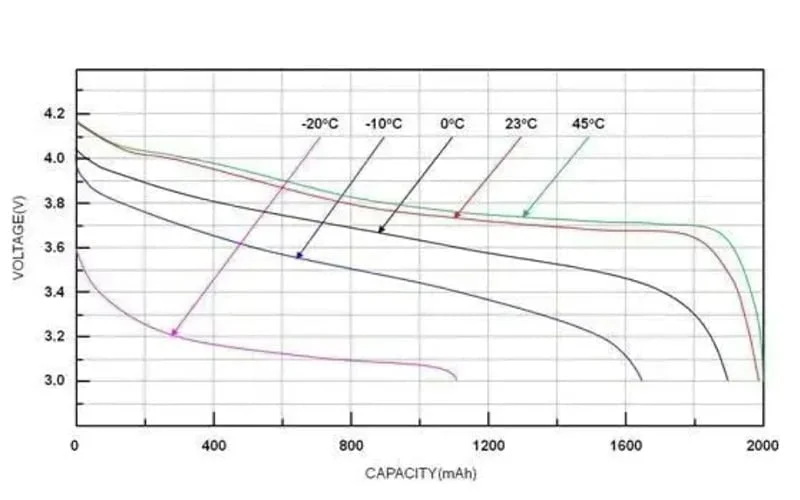
The heating system requires more power from it when temperatures drop. This means that during winter months drivers will use up battery faster and need to keep an eye on how far they can stretch their charge, as recharging can take significantly longer than other alternatives when in cold climates.
How to care for your EV in winter?
1. Use slow charging
Fast charging has become almost essential if you plan on using your electronic devices throughout the day, but slow charging might actually be the way to go. Surprisingly, despite being slower than the fast option, it still gets you close to the same charge range – in fact, one study found that slow charging can provide 15% extra juice compared to fast charging.
It makes sense when you think about it. Fast charging may seem convenient, but it can actually damage your battery. The rapid flow of charge doesn’t give the positive and negative electrode materials enough time to react fully – known as “false power”. On the other hand, slow charging is safer with a long-lasting range thanks to its smaller current allowing chemicals plenty of reaction time.
2. Park your electric vehicle in your garage
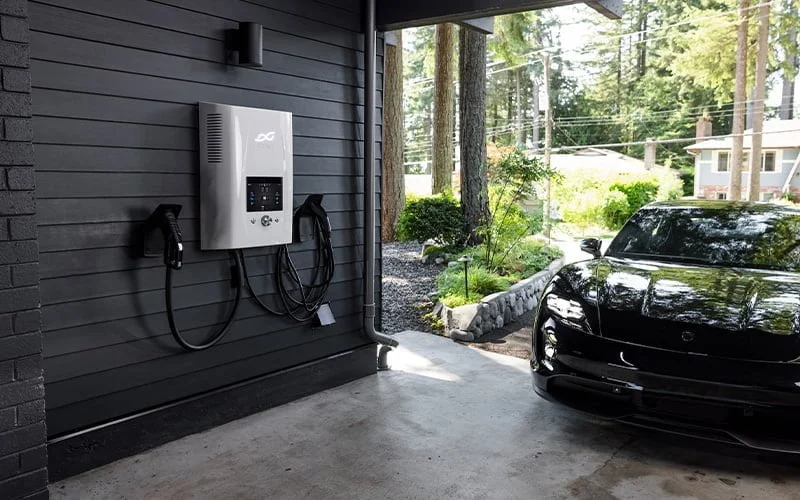
Taking the time to park your electric vehicle in your garage during the cold winter months can save you a whole heap of hassle. Not only will it be much easier to leave your house but you also know that your car is nice and warm when you get into it! Doing this could potentially even help extend the life of your battery, as extreme cold temperatures can reduce its range if it sits outside too long. The best part? You can easily combat those morning chills with a few simple button clicks to start preheating the cabin before your journey to work or wherever else you may be driving!
3. Don’t let the battery of your EV too low
When you own an electric vehicle, it’s important to make sure the charge of your battery doesn’t get too low. Not only will this cause you to run out of power sooner than expected, but it could also lead to a much more serious problem – over-discharge. Too much discharge can negatively affect the performance and longevity of the battery, potentially causing it to need replacing significantly sooner than normal. So don’t just passively let the battery drain while you drive – be mindful of how much charge you have left and top it up whenever possible.
4. Warm your electric vehicle in winter before driving
EV drivers don’t have to suffer through a cold cabin! With an app, you can heat your car up ahead of time. Just set it before leaving home and get ready for blissful warmth when you start driving – plus extra battery performance thanks to pre-warming action. Don’t forget – if your car is plugged in overnight, then warming won’t take away from its power supply.
5. Inflate your tires
As the cold weather rolls in, make sure you’re keeping an eye on your tire pressure! Regularly check it to keep them at maximum efficiency and get the longest winter range from your car. If you live somewhere snowy, consider swapping out for some proper winter tires — they’ll help reduce resistance while driving and give that extra boost of confidence when navigating those icy roads.
6. Use Eco-Mode
electric vehicle owners know that using Eco-Mode in winter can dramatically affect the electric car’s range and performance. The colder temperatures force the electric motor to work harder, draining more energy, and making it difficult to maximize the electric range. To counteract this issue, electric car drivers can activate their vehicles’ Eco-Mode settings. This will tell the car to prioritize economic use of energy for a higher range, which means traders are off in terms of acceleration and power output. There’s no need to worry about being left stranded with an empty battery—by activating Eco-mode, electric vehicle owners can ensure they get maximum efficiency from their vehicles during winter seasons.
7. Avoid unnecessary power loss
Scientific driving is an easy yet efficient way to save on power loss. By driving smoothly and avoiding fast accelerations, brakes and gear changes, drivers can take better care of their cars while saving the environment. With the right techniques in place, drivers can maximize their energy economy, reduce emissions and ensure that every mile is travelled with efficiency. Scientific driving plays a great role in helping us all reach our eco-friendly goals – it’s time to start putting this knowledge into practice.
Many people are surprised to learn that opting for seat and steering wheel heating over air conditioning warm air is actually a great way to save power. This type of heating uses significantly less power, meaning your car doesn’t have to expend so much power while you’re driving. If you have to turn on the air conditioner, keep in mind that internal circulation is more energy-efficient than external circulation.
Conclusion
As you can see, there are a few things to keep in mind when it comes to winterizing your EV. By following these simple tips, you can ensure that your vehicle is able to withstand the cold weather and continue running smoothly all winter long. Do you have any other tips for winterizing your electric vehicle? Share them with us in the comments below!