
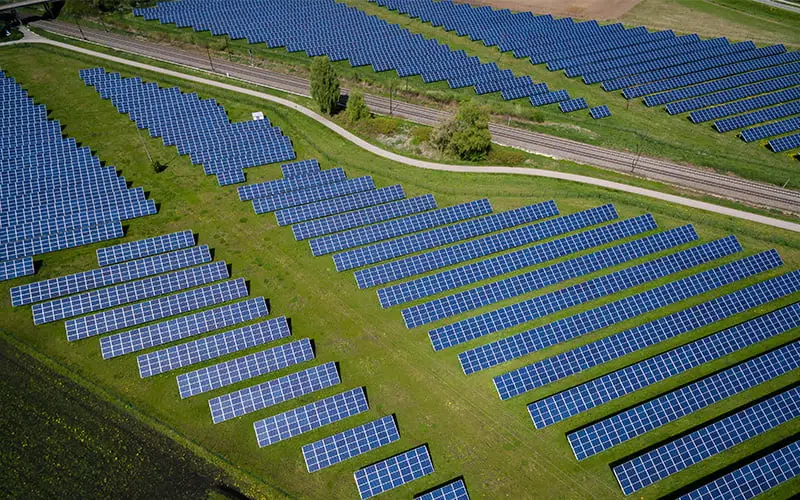
Do you want to make your home sustainable? One great way to do this is by using solar energy with an electric vehicle (EV) charger. Solar power has become increasingly affordable in recent years, and installing a home EV charger can both decrease your carbon footprint and save you money over time on electricity bills. Now that the technology for efficient EVs is more readily available, it’s easier than ever to install home chargers powered by solar panels! In this article, we’ll cover how you can set up an effective energy network at your house – from connecting the right equipment so your home charger works seamlessly with renewable energy sources like solar panels to running final tests and actual installation. Let’s begin.
What is solar energy?
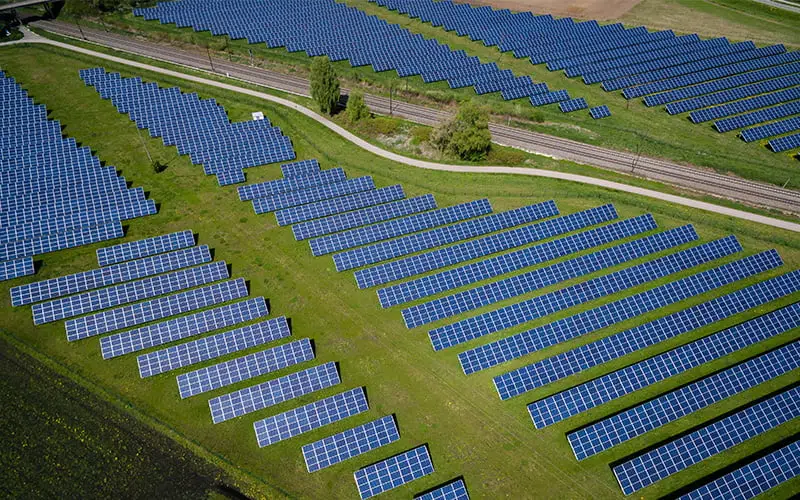
Solar energy is a form of renewable energy that is generated by the sun’s radiation. It is the most abundant source of energy on Earth, and it can be captured and converted into usable electricity using photovoltaic cells (PV) or solar panels. Solar energy is a clean, green, and sustainable source of energy that does not produce greenhouse gases or other harmful pollutants. It has become an increasingly popular source of power for homes, businesses, and entire communities, and it has the potential to play a major role in reducing our dependence on traditional energy and mitigating the effects of climate change.
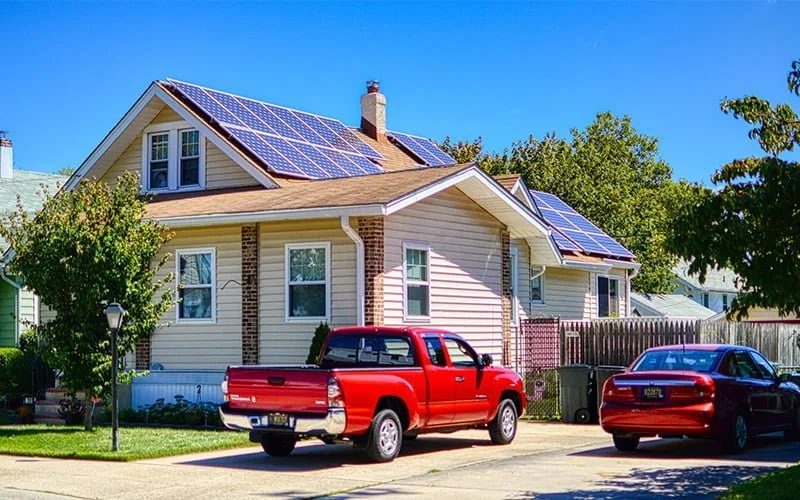
How much power does an electric car use?
The amount of power that an electric car uses depends on several factors, including the size of the car’s battery, the efficiency of its electric motor, and the driving conditions. On average, an electric car uses about 30 kilowatt-hours (kWh) of electricity per 100 miles driven.
However, this can vary widely depending on the specific model. Some electric cars can use as little as 15 kWh per 100 miles, while others may use as much as 40 kWh or more. Additionally, driving conditions, such as highway speeds or hilly terrain, can also affect the amount of electricity an electric car uses.
It’s also worth noting that the energy efficiency of electric cars is typically measured in miles per kilowatt-hour (kWh) rather than miles per gallon (mpg) for conventional gasoline-powered cars. To convert from kWh per 100 miles to mpg, you can use the conversion factor of 3.6 miles per kWh.

The benefits of using a home EV charger with solar panel
Adopting a home electric vehicle charger that is powered by solar panels comes with an array of advantages. Not only can you charge your EV faster than a standard charger, but you can also access free power from the sun, reducing your energy costs and making the switch to an EV even more cost-saving in the long run. A home EV charger with solar panels is a sound investment for those looking to reduce their environmental impact and it significantly decreases emissions compared to other charging methods and is ultimately more eco-friendly.
Furthermore, the installation of this system requires minimal maintenance since its advanced technology automatically manages to charge cycles while monitoring the electricity flow. Investing in a home EV charger with solar panels gives you peace of mind that your car will always be ready for your next journey, powered by renewable energy sources.
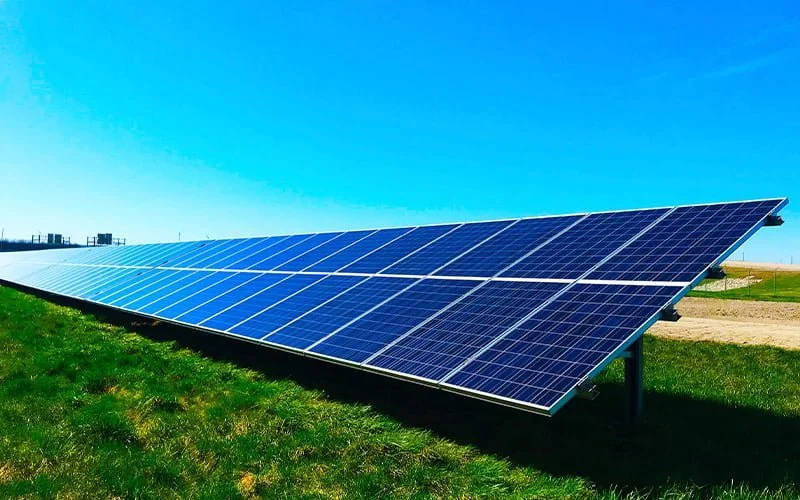
Can I charge my EV directly from the solar panels?
Wondering if you can use the power from your solar panels to charge up your car? Unfortunately, the answer isn’t straightforward. Solar panel electricity is far too unstable and unpredictable for it to safely go directly into an electric vehicle’s battery – or even be fed into a home’s energy network. Instead, this type of energy needs to first pass through an inverter which converts it so that other devices may make use of it! Smart charging stations are also handy as they help keep track of when and how much power should come out of those sunny little cells in order to fill up your EV’s tank.
How to charge an EV with solar panels?
If you want to charge your electric car using solar panels, you need more than just the panels themselves. To charge an electric vehicle (EV) with solar panels, you will need a few components:
Solar panels: You will need to install solar panels on your property to generate the electricity needed to charge your EV. The size of the panels will depend on how much power you want to generate and how much you drive your EV.
Inverter: The electricity generated by the solar panels is in the form of direct current (DC), but the EV battery requires alternating current (AC). An inverter is needed to convert the DC electricity from the panels into AC electricity that can be used to charge the EV.
EV charging station: You will need an EV charging station that can be connected to your inverter and to your EV. There are several options available, including Level 1, Level 2, and Level 3 charging stations. Level 2 charging stations are the most common and can charge an EV in 4 to 8 hours.
Electrical panel and wiring: You will need an electrical panel and proper wiring to connect the inverter, EV charging station, and your EV.
It is recommended to consult with a licensed electrician to ensure that the installation is safe and meets local building codes.
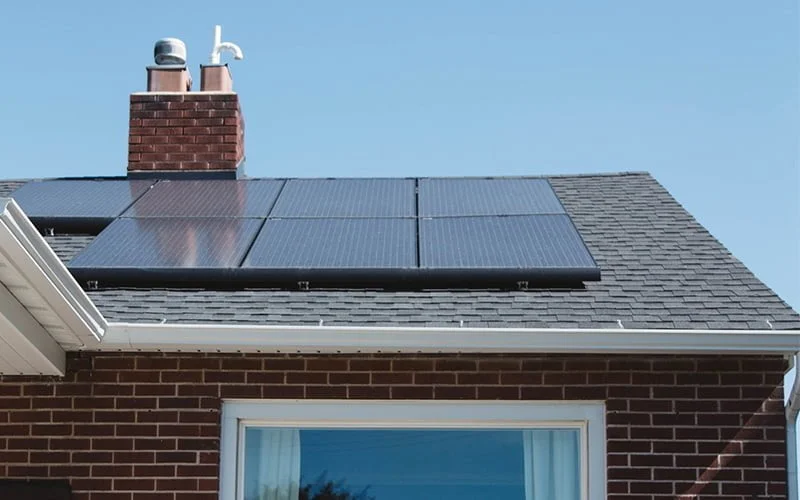
What is the future of solar energy?
The future of solar energy looks bright, as it is becoming increasingly accessible and cost-effective. As technology improves and economies of scale are achieved through mass production, the cost of solar panels and other components has been declining, making it a more competitive option compared to traditional energy sources such as coal and natural gas.
Additionally, there has been a growing awareness and concern about the need to transition to cleaner, renewable sources of energy to address climate change, which is further driving investment and adoption of solar energy.
In the coming years, we can expect to see continued growth in the installation of both residential and commercial solar systems, as well as an expansion of utility-scale solar farms. There may also be innovations in energy storage solutions, which will allow for greater integration of solar energy into the grid and improved reliability.
Overall, the future of solar energy is very promising, and it is likely to play a significant role in meeting the world’s growing energy demands while reducing our reliance on non-renewable sources and combating climate change.
Conclusion
Overall, investing in a home EV charger and solar panels is an excellent sustainable choice for car owners. Having the right setup will be key to making the most of your solar-powered charging. Knowing how to size the system and connect it properly is important – but don’t worry if it seems overwhelming. Xing team is glad to help.
With a combination of solar energy and an EV charger, you’ll be able to reduce your monthly expenses while protecting the planet at the same time. Plus, knowing that you’re driving on sustainable energy makes owning a home EV charger even more enjoyable. There’s no better feeling than feeling good about something you’ve accomplished.